
Reptile Care Hub
Husbandry is the heart of reptile keeping. Explore our veterinarian-approved guides to creating the perfect environment for your cold-blooded companions.
The 3 Pillars of Husbandry
Every species is different, but these three elements are universal.
Thermal Gradient
Reptiles need a "hot side" and a "cool side" to regulate their body temperature. This is essential for digestion and immunity.
Humidity Control
Incorrect humidity causes shedding issues (too low) or respiratory infections (too high). Maintaining stable levels is key.
UVB Lighting
The "Sun" indoors. Essential for calcium absorption and preventing Metabolic Bone Disease (MBD) in most lizards.
Browse by Species
Find the exact blueprint for your specific animal. No guesswork, just results.
View All Products Compatible with These Species →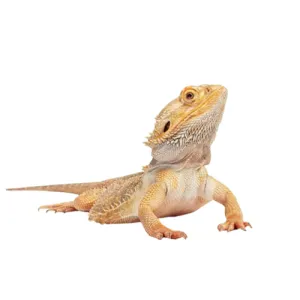
Popular Care Sheets
Vet-verified data to ensure longevity, health, and vibrant colors.
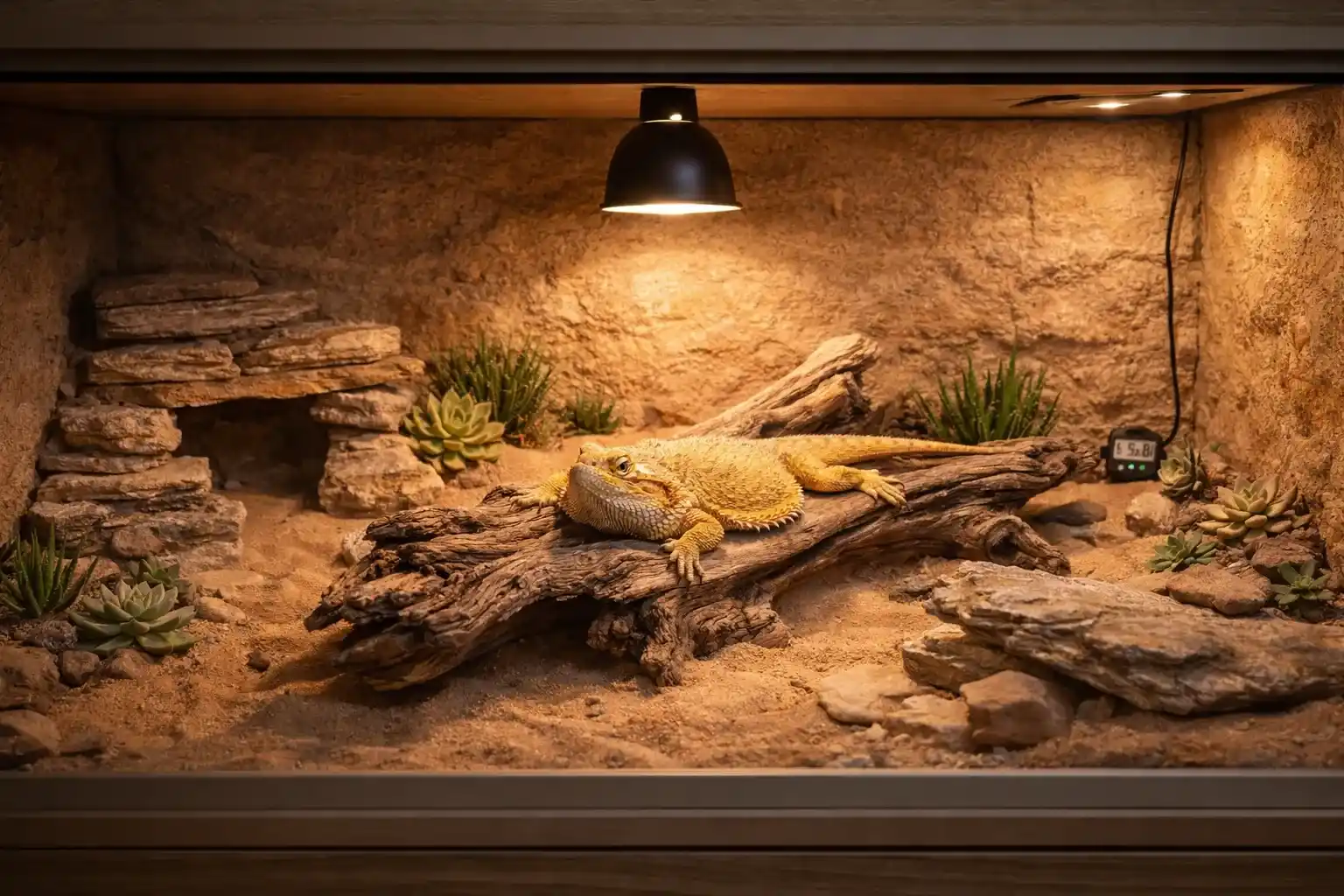
Bearded Dragon (Pogona)
Basking Temp: 100-110°F Humidity: 30-40% Enclosure: Min 4'x2'x2' (120 Gallon) Read Full Guide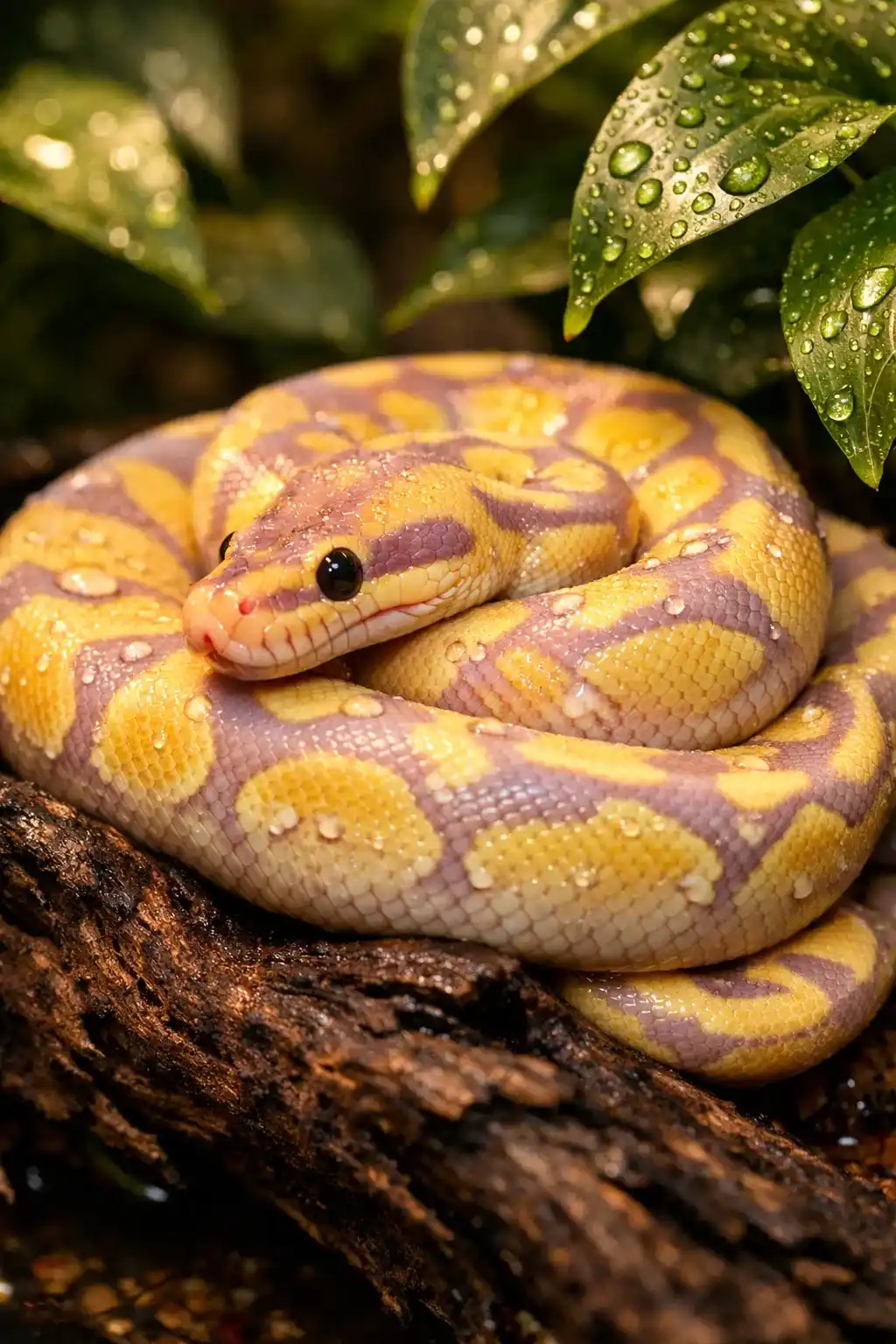
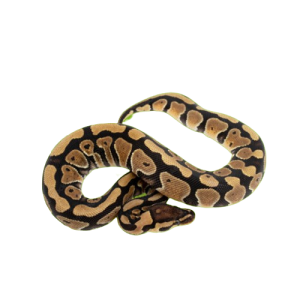
Ball Python (Python regius)
Hot Spot: 88-92°F Humidity: 60-80% Enclosure: Min 4'x2'x2' (PVC Recommended) Read Full Guide
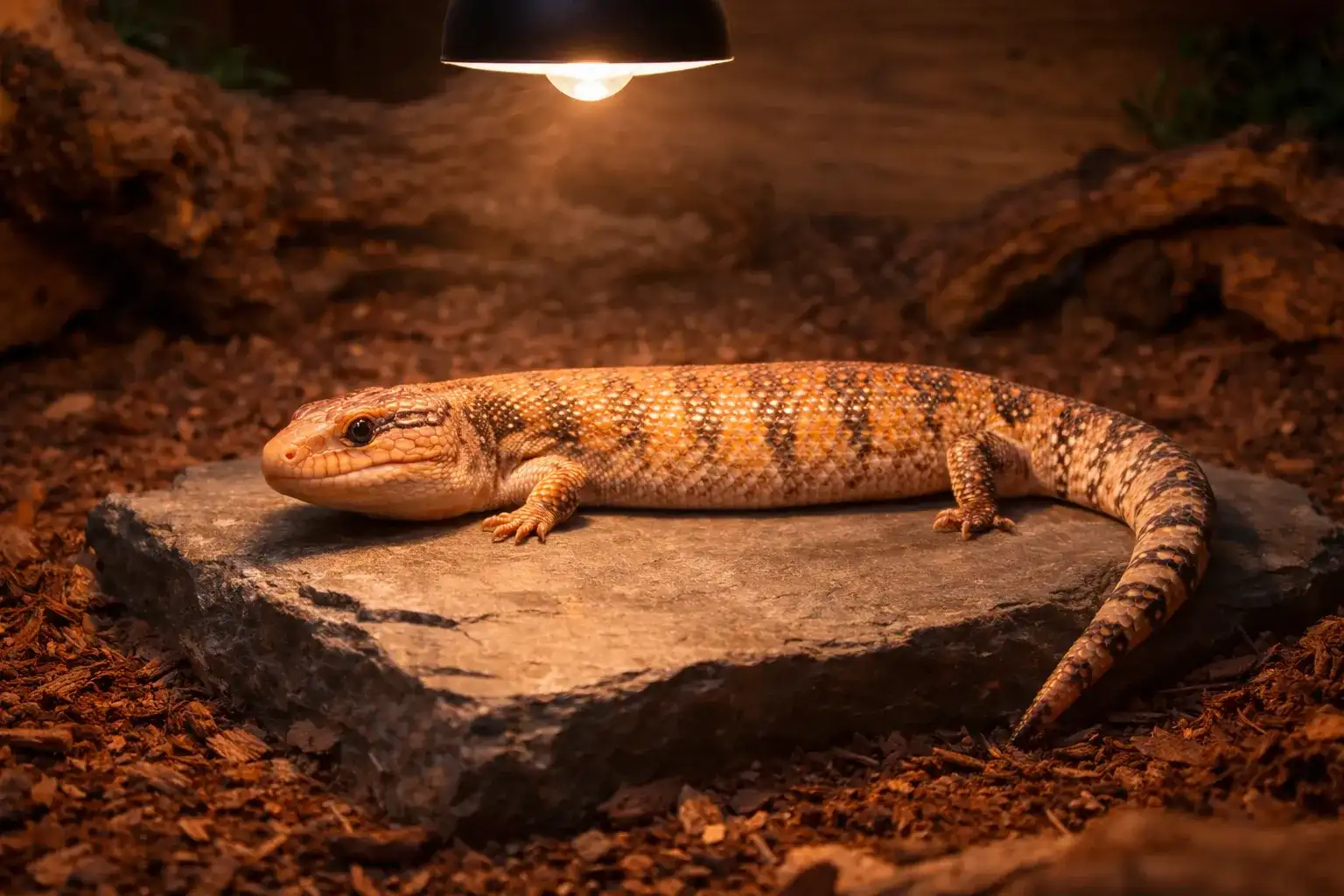
Blue Tongue Skink
Basking Temp: 100°F Humidity: 40-60% (Northerns) Enclosure: Min 4'x2'x2' Read Full Guide
Common Husbandry Mistakes
Even experienced keepers make mistakes. Here are the most common issues and how to fix them immediately.
Why is my reptile refusing to eat?
Why is my humidity dropping so fast?
Do I need a thermostat?
Is sand safe for my Bearded Dragon?
How long should I leave the lights on?
Can I house two reptiles together?
Give Them The Home They Deserve
Proper care starts with a proper enclosure. Toxirium PVC cages are designed to make husbandry easier for you and healthier for them.
Shop Enclosures